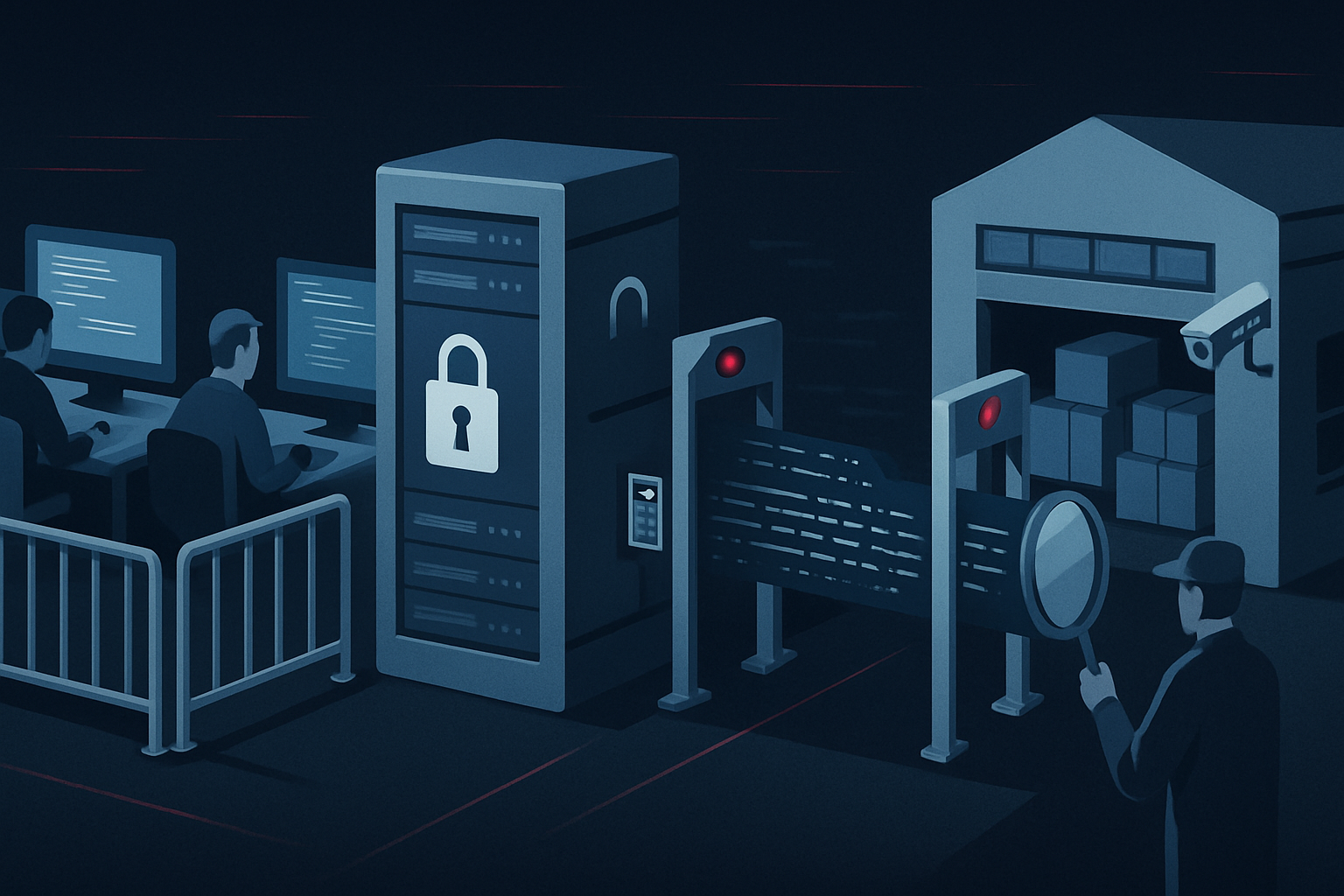
The compromise of WordPress plugins through their official distribution channels represents a shift in attack strategy. Rather than targeting individual sites, threat actors are now pursuing the vendors themselves, poisoning the source before code ever reaches end users. A recent case involving ShapedPlugin demonstrates how effective this approach can be: attackers gained access to the build and distribution pipeline, allowing them to inject backdoor code into Pro plugin releases that were then deployed across thousands of WordPress installations through legitimate update mechanisms.
Why Build Pipeline Compromise Is Particularly Dangerous
Traditional WordPress attacks require reconnaissance, exploitation of known vulnerabilities, or weak credentials. Supply chain attacks bypass this entirely. When a plugin vendor's build system is compromised, the attacker's code becomes indistinguishable from legitimate updates. Site owners see the update notification, apply it as normal, and the backdoor installs without triggering any obvious alerts. The infection appears to come from a trusted source.
From a hosting operator's perspective, this creates a detection problem. A backdoor delivered through an official plugin update may not trigger standard malware signatures because the code path looks legitimate. WordPress sites running auto-updates will pull the compromised version immediately, and the attacker gains a foothold before your security scanning catches anything suspicious.
The scale compounds the issue. A single compromised plugin can affect tens of thousands of installations simultaneously. One vendor compromise becomes an infrastructure incident affecting entire customer bases.
The Attack Surface: Where Vendor Systems Are Vulnerable
Supply chain attacks typically exploit one or more links in the development pipeline: source code repositories, build servers, code signing systems, distribution servers, or update delivery mechanisms. In the ShapedPlugin case, attackers managed to tamper with the official release channels, suggesting either direct compromise of distribution infrastructure or credential theft allowing unauthorised access to update mechanisms.
For plugin vendors, securing this chain requires more than basic server hardening. It demands segregation of development, staging, and production environments; strong access controls and audit logging for build systems; code signing with properly managed private keys; and monitoring for unexpected changes or unusual deploy patterns. Many smaller vendors operate without these safeguards simply because the complexity exceeds their operational capacity.
Detection and Response for Hosting Providers
Hosting operators managing shared or managed WordPress environments face a practical problem: how do you identify a backdoored plugin update before it causes damage. A few approaches are worth considering:
- Monitor plugin file changes and checksums against known-good versions from an offline source.
- Implement staged rollout for plugin updates rather than immediate deployment across all sites.
- Run static analysis on plugin code changes before deployment, flagging suspicious functions or patterns.
- Maintain detailed audit logs of plugin installations and updates, queryable for forensic investigation after compromise discovery.
- Where feasible, isolate auto-update mechanisms so compromised plugins can be quarantined before they spread widely.
Detection is reactive by nature. The real defence lies in reducing exposure. Sites running outdated or unmaintained plugins are more likely to remain compromised for longer periods. Conversely, environments where plugins are tightly managed and monitored will surface anomalies faster.
Vendor Trust Remains Necessary but Insufficient
No amount of vendor reputation prevents supply chain compromise. ShapedPlugin presumably maintained reasonable security practices, yet their systems were still penetrated. This is the uncomfortable reality of software distribution: trust in a vendor is not trust in their infrastructure.
For site operators, this means assuming that any plugin update could potentially be malicious. For hosting providers, it means treating plugin updates as a security boundary that requires monitoring and defence in depth. Automated update mechanisms should be paired with automated detection of anomalous behaviour, unexpected network connections, or suspicious database queries following deployment.
Build pipeline security will likely become a baseline requirement for WordPress plugin vendors over time, driven by liability and customer pressure. Until then, the onus falls on hosting operators and site administrators to assume compromise is possible and to maintain the detection and response capabilities necessary to contain it rapidly.