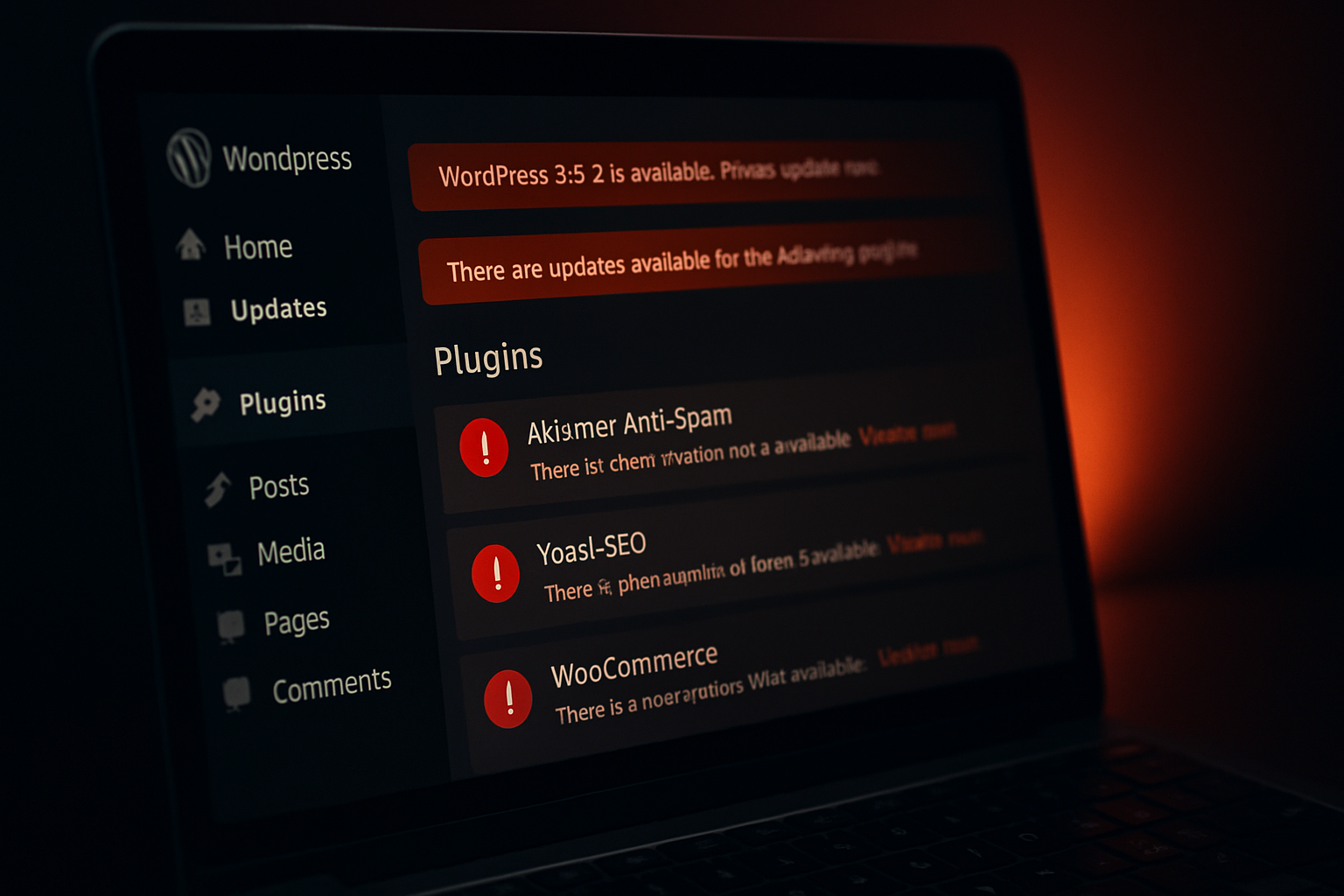
Payment data theft through compromised e-commerce plugins remains one of the most persistent threats facing WordPress deployments. A recent vulnerability discovered in the Funnel Builder plugin, currently under active exploitation, demonstrates how quickly a single unpatched flaw can enable large-scale skimming attacks across checkout workflows.
The Attack Mechanism
The Funnel Builder vulnerability allows attackers to inject malicious JavaScript directly into WooCommerce checkout pages. When customers enter payment details during checkout, the injected code silently harvests card numbers, expiration dates, and CVV codes before legitimate payment processing occurs. The attacker's code intercepts form submissions or hooks into JavaScript events that execute during the payment flow, making detection difficult without careful network inspection or client-side security analysis.
What makes this particular flaw especially dangerous is that it operates within the trusted context of an active WordPress installation. The injected JavaScript inherits the same permissions and access as the legitimate plugin, allowing it to read unencrypted form data and communicate with attacker-controlled exfiltration endpoints. Firewalls and standard network-level protections offer limited defence because the malicious code is already inside the site.
Why Plugin Management Matters at the Hosting Layer
Hosting providers and system administrators often treat WordPress plugins as purely the site owner's responsibility. However, widespread exploitation of a single vulnerability can generate support tickets, performance degradation from attack traffic, and reputational damage when customer data is breached. Proactive plugin auditing becomes a shared concern.
The lack of a formal CVE identifier for this flaw illustrates a common problem: vulnerability disclosure timelines vary widely, and admins may not receive timely warnings through standard channels. Security firms like Sansec publish detailed analysis, but that information can take days or weeks to propagate to hosting control panels, security scanners, and site owner inboxes. In the meantime, exploitation occurs in the wild.
Site owners running vulnerable versions of Funnel Builder have a narrow window to patch before attackers gain a foothold. For hosting providers supporting thousands of WordPress installations, monitoring plugin vulnerabilities, communicating risks, and even offering automated remediation tools become essential services that reduce customer breach risk and liability exposure.
Detection and Mitigation Strategies
Identifying compromised checkout code is non-trivial. Admins can inspect plugin files directly via SFTP or file manager, looking for suspicious modifications or unfamiliar JavaScript includes. However, sophisticated attackers may inject code into database records rather than filesystem files, evading static analysis.
Practical steps include:
- Update Funnel Builder to the patched version as soon as available, even if you believe the plugin is not currently in use
- Audit WooCommerce database tables and checkout page markup for unexpected JavaScript includes or form handlers
- Review server access logs and payment processor reports for signs of unusual checkout traffic or rejected transactions
- Enable Content Security Policy (CSP) headers to restrict where inline scripts can load from, limiting the scope of injected code
- Implement payment tokenisation so checkout pages never handle raw card data directly
If you operate a high-transaction WooCommerce site, consider requesting a Web Application Firewall (WAF) rule that blocks suspicious JavaScript injection patterns in form submissions, or work with your hosting provider to enable such protections at the network level.
Broader Lessons for WordPress Deployment
This incident highlights why hosting infrastructure decisions matter for security. Sites running on managed WordPress platforms or controlled VPS environments where administrators actively monitor and restrict plugin installations face lower risk than those with hundreds of third-party plugins installed by various site maintainers.
Security researchers have documented the active exploitation in detail, which should prompt an immediate review of your plugin inventory and update schedules. Treating plugin management as a scheduled maintenance task rather than an ad-hoc response process reduces the window during which your checkout pages remain exposed to attacks of this kind.
Payment data theft remains lucrative for attackers precisely because e-commerce sites are ubiquitous and plugin vulnerabilities are endemic to WordPress. The combination of a popular plugin, unpatched installations, and low detection difficulty creates ideal conditions for large-scale skimming. Prompt patching, periodic security audits, and robust monitoring of checkout functionality form the core defence.