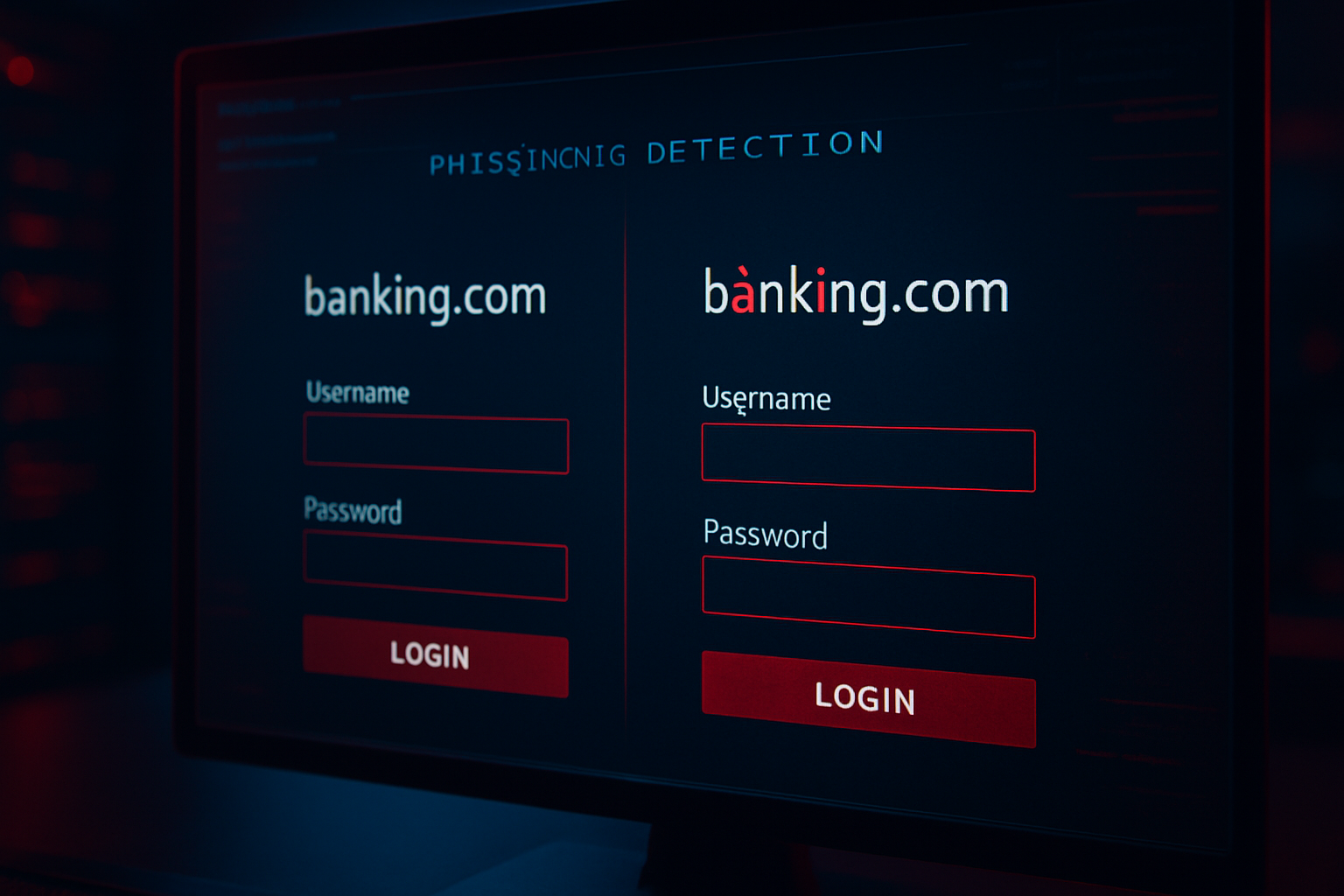
Threat researchers have documented an active phishing operation attributed to BlueNoroff, the North Korean-aligned group behind ClickFix campaigns, that strategically profiles cryptocurrency wallet holders before deploying malware. The operation hinges on a deceptively simple but effective approach: typosquatted domains mimicking Zoom and Microsoft Teams, combined with social engineering tactics that extract wallet information before the final payload lands.
Domain Impersonation as Trust Exploitation
The attackers register domains that closely resemble legitimate Zoom and Teams properties—often differing by a single character or subtle visual similarity. Victims receive targeted messages that appear to come from known contacts, directing them to join a meeting or verify their credentials on these fraudulent properties. Rather than immediately pushing malware, the operators use the initial compromise to gather intelligence.
This staged approach reflects a shift in adversary tactics. Instead of blunt-force malware distribution, BlueNoroff operatives now perform reconnaissance within the compromise window. They map victim networks, identify cryptocurrency-related applications, and assess wallet software before deciding whether the target warrants further exploitation. Low-value targets are often discarded; high-probability crypto holders receive the full malware payload.
Wallet Profiling Before Malware Delivery
Once inside, the attackers enumerate installed software and browser extensions—specifically looking for wallet applications, hardware wallet management tools, and crypto exchange integrations. This profiling step is critical: it allows the group to tailor their malware variant and delivery method to the specific wallet ecosystem the victim uses. A user running Ledger Live receives a different payload than one using MetaMask or Trezor Suite.
By filtering targets this way, attackers maximise infection-to-payoff ratio and minimise detection risk. Security products are less likely to flag a malware sample that targets a specific, installed application than generic info-stealer code. The profiling also allows them to deploy credential harvesters or keystroke loggers tuned to the exact window layouts and authentication flows their victims use daily.
Social Engineering Through Trusted Channels
A key enabler of the campaign is the use of compromised industry contacts. The actors leverage existing business relationships—sending phishing links from email addresses of known peers, vendors, or colleagues in the technology and finance sectors. This trust transfer is difficult to defend against at the individual level. A developer receiving a Teams meeting link from their manager's compromised email account is far more likely to click than a random phishing attempt.
The typosquatted domains then serve as the infection vector. Since many users type URLs quickly or rely on browser autocomplete, the subtle character differences go unnoticed. The phishing page is often a pixel-perfect clone of the real Zoom or Teams login screen, complete with matching branding, SSL certificates (obtained from legitimate Certificate Authorities), and realistic error messages that encourage credential re-entry.
Implications for Hosting and Infrastructure Security
From an infrastructure perspective, this campaign underscores why domain reputation and DNS monitoring matter. Organisations running internal communication platforms or developer-facing services should implement nameserver monitoring for typosquatted variants of their own domains. A hosting provider or IT team that catches registered lookalike domains within hours of their creation can flag them to abuse teams and registrars before they're weaponised at scale.
For individuals and organisations handling cryptocurrency, the lesson is layered. Multi-factor authentication on email accounts is non-negotiable—it breaks the initial compromise chain. Hardware wallets provide an additional safeguard; malware on a desktop cannot extract keys if the signing happens on an offline device. Regular audits of installed browser extensions and a strict policy against running crypto management on machines that handle untrusted email also reduce surface area.
The broader pattern also highlights why organisations should segregate their cryptocurrency operations infrastructure from general-purpose computing. Dedicated, air-gapped machines for wallet access and transaction signing create a harder target. This isn't paranoia; it's basic compartmentalisation. Reporting on this operation shows that BlueNoroff allocates significant resources to targeting high-value crypto holders, making the investment in proper infrastructure separation worthwhile.
The sophistication of this campaign—combining credential harvesting, malware profiling, and supply-chain-style trust abuse—reflects a threat actor with operational discipline and patience. They're not trying to compromise everyone; they're filtering for targets where the effort yields substantial return. That calculus means defenders must assume they are targets and design their infrastructure accordingly.