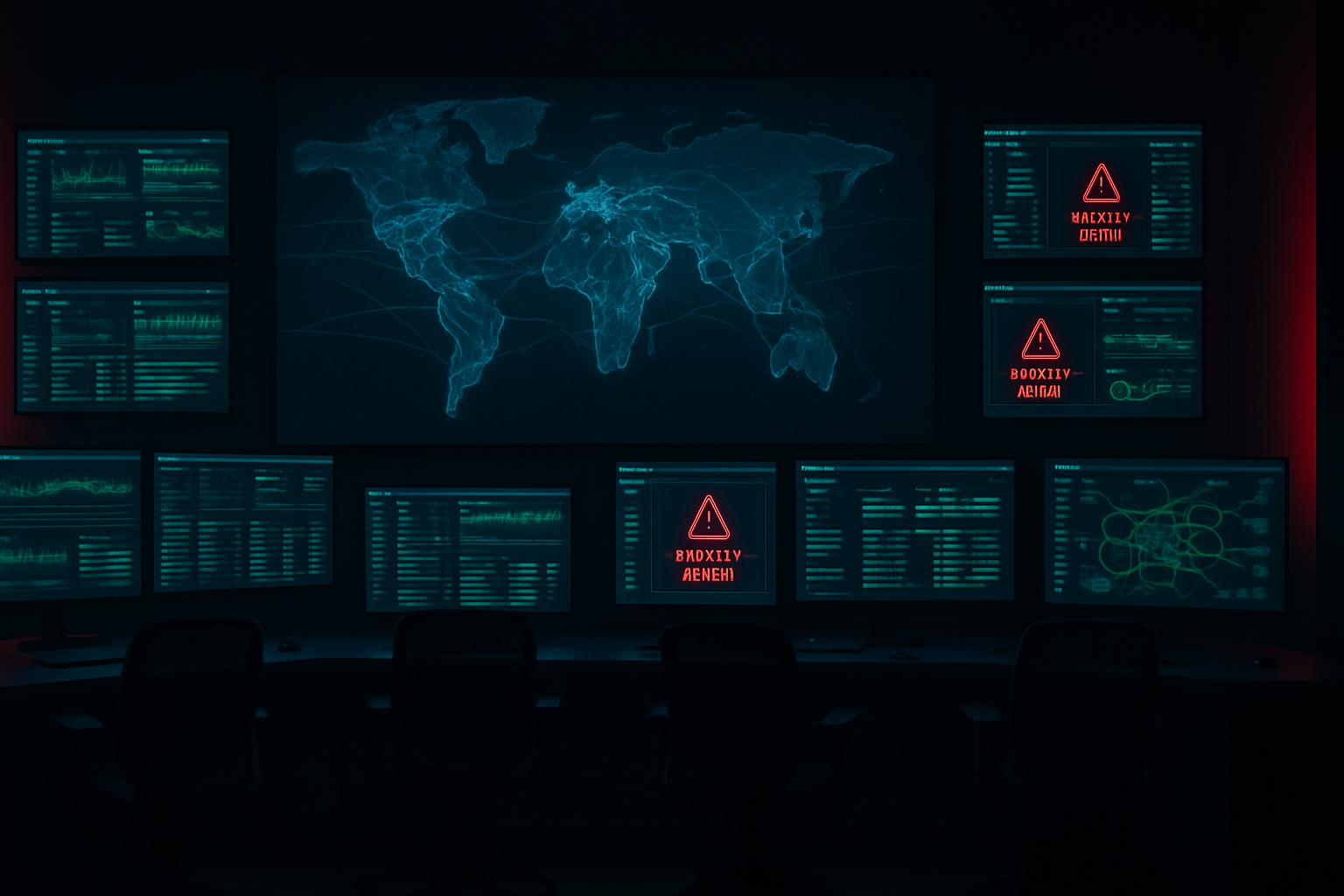
The U.S. Department of the Treasury recently sanctioned Iranian cyber actors linked to breaches of critical infrastructure networks. This development underscores a persistent reality for infrastructure operators: state-sponsored groups maintain significant capability and motivation to compromise systems that control power grids, water treatment, and telecommunications networks.
The Scale and Scope of State-Sponsored Operations
Iranian cyber groups have demonstrated sustained interest in critical infrastructure for over a decade. Unlike opportunistic cybercriminals who move quickly between targets, state-sponsored operators work with longer timelines. They conduct reconnaissance over months, establish persistent footholds, and maintain access even after initial compromise disclosure.
What makes these operations distinct is their methodology. Rather than relying on mass phishing or automated exploitation, Iranian groups typically employ spear-phishing campaigns targeting specific individuals with access to sensitive systems. They research employees, understand organizational structures, and craft messages that appear contextually relevant.
Once inside a network perimeter, operators move laterally with patience. They map internal systems, identify critical nodes, and establish backup access points before attempting any disruptive action. This methodical approach means detection windows are narrow. A single suspicious login or unusual file access can blend into normal network noise for weeks.
Infrastructure Operators Face Persistent Risk
For organisations running critical systems—whether utility operators, hosting providers managing large datacenters, or telecommunications firms—the threat model is asymmetrical. Defenders must be right every time. Attackers need only succeed once.
The targeting is not random. Iranian cyber units prioritise infrastructure that produces strategic impact: energy generation, water systems, industrial control networks. They understand that compromising these systems creates cascading consequences across economies and populations.
Hosting and infrastructure providers must assume that their networks and customers' systems are under active reconnaissance. This means implementing network segmentation, enforcing multi-factor authentication on administrative access, and maintaining detailed logging of privileged activities. Passive security postures—firewalls and intrusion detection alone—are insufficient against determined state actors.
Detection and Response Considerations
Iranian operations typically employ a combination of legitimate tools and custom malware. They use valid credentials obtained through phishing, native operating system features like PowerShell or cron jobs, and commercially available penetration testing utilities. This approach minimises signature-based detection while maximising deniability.
Effective detection requires behavioural monitoring. Unusual data transfers, unexpected privileged account usage, or lateral movement to systems without legitimate business justification warrant immediate investigation. Many organisations discover these breaches months or years after initial compromise, often only when law enforcement provides notification.
Incident response planning must account for the possibility of multi-stage compromise. Even after removing discovered malware, organisations should assume additional persistence mechanisms exist. Recovery procedures should include password resets across all critical systems, cryptographic key rotation, and detailed forensic analysis to establish the true scope of access.
Strategic Context and Long-Term Implications
Sanctions on cyber actors serve as political messaging but have limited technical impact. Iranian groups continue operating regardless of financial restrictions. However, sanctions can constrain recruitment, increase operational costs, and complicate money laundering. From a defender's perspective, they indicate sustained geopolitical attention and suggest that targeted sectors should expect continued pressure.
Infrastructure operators should treat Iranian cyber activity as a permanent threat landscape feature rather than an episodic risk. This means maintaining current vulnerability patch baselines, conducting regular red-team exercises, and ensuring that critical systems operate with minimal external connectivity when operationally feasible.
The most effective defence combines technical controls with operational discipline. Network monitoring, access controls, and cryptographic verification of system integrity create overlapping layers that raise the cost of persistence. When these are paired with security awareness training and incident response capabilities, organisations significantly reduce the window for undetected compromise.