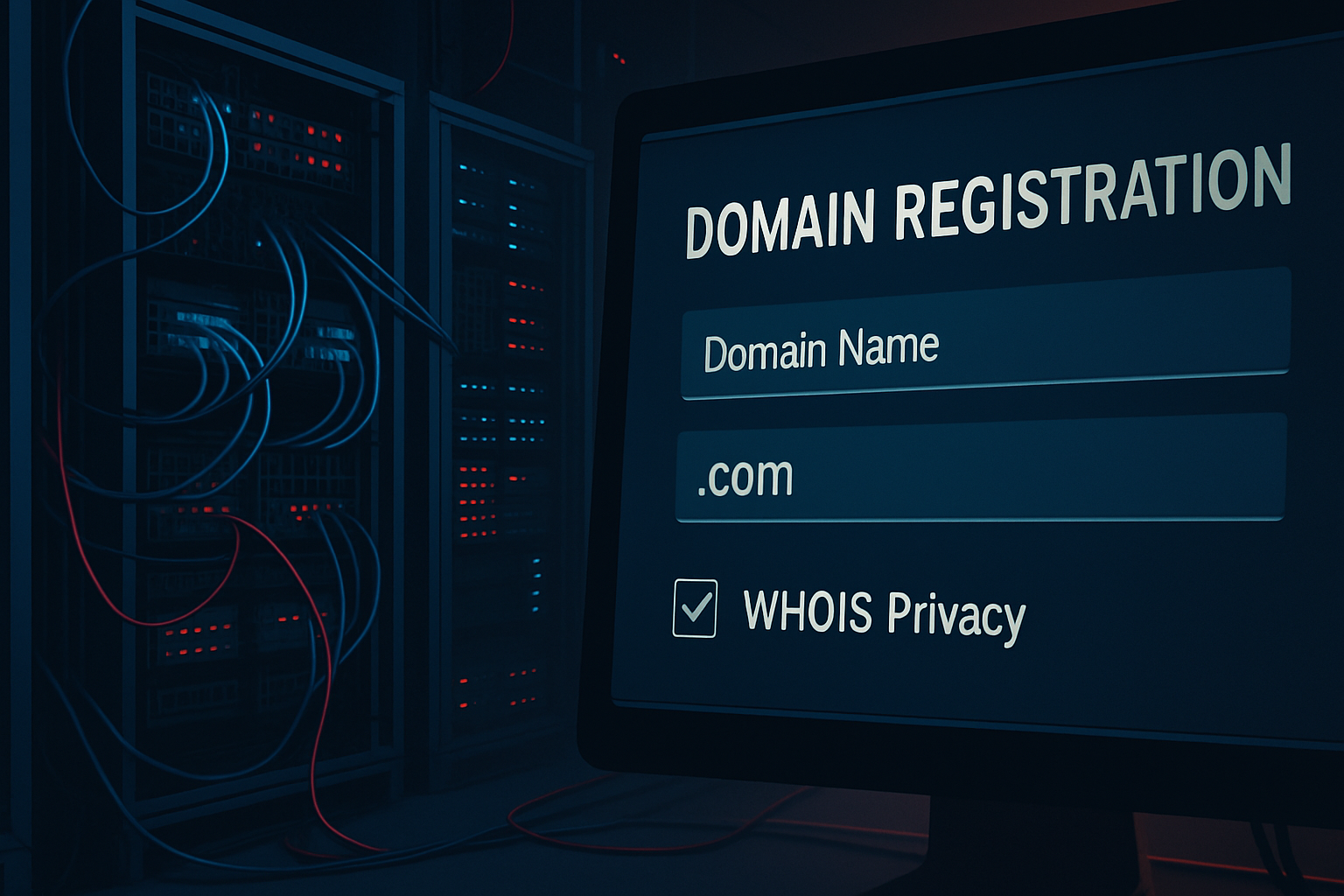
The Premier League's recent attempt to unmask pirate streaming operators via DMCA subpoena to registrar Tucows illustrates a persistent tension between privacy practices and legal disclosure obligations. Understanding how these subpoenas work—and what registrars are actually compelled to reveal—matters for anyone running infrastructure that might attract enforcement attention.
How DMCA Subpoenas Target Domain Registrars
A DMCA subpoena is a legal demand issued under the Digital Millennium Copyright Act's provisions for copyright enforcement. When a rights holder believes a domain is facilitating infringement, they can petition a court or, in some jurisdictions, issue a subpoena directly to the domain's registrar requesting all associated information. The Premier League's request to Tucows for details on 25 domain operators follows this pattern: identify the registrar, issue the legal demand, compel disclosure of WHOIS data and any metadata the registrar holds.
Registrars occupy a legal grey zone. They're not the service providers hosting content; they're merely the intermediary that manages the DNS record and administrative contact details. Yet they hold the most direct link to identity. When a subpoena arrives, most registrars have little discretion—the legal burden falls on the domain owner to challenge the subpoena, not on the registrar to resist it.
What Privacy Protection Actually Covers
This is where practical privacy measures diverge sharply from legal reality. WHOIS privacy services, which mask the registrant's name and contact details in public lookups, provide obfuscation against casual research. They do nothing against a valid subpoena. The registrar still holds the true registrant details internally; privacy services simply prevent automated scraping and reduce low-level harassment.
Some registrars market themselves on privacy commitments. Offshore registrars, particularly those in jurisdictions with weak US legal ties, sometimes claim they will resist or ignore subpoenas altogether. This is largely marketing. If a registrar operates in the US, processes payments through US-subject financial systems, or maintains infrastructure reachable by US courts, compliance becomes difficult to avoid. Tucows, for instance, is a Canadian company with substantial US legal exposure; resisting a US court order would expose them to liability.
True protection requires architectural separation: registering through an entity in a jurisdiction the US has no treaty with, using privacy proxies that themselves have strong legal shields, and avoiding any payment or infrastructure chain that touches US systems. Few operators accomplish this cleanly.
The Inconsistency in Enforcement
A secondary angle in the Premier League's case is revealing. The league's own evidence shows the pirate streams originate from Amazon and Google infrastructure. Yet rather than pursue those platforms directly—where takedown and account termination would be straightforward—the league targets domain operators. This is standard practice: domains are visible, registrars are known, and the legal pathway is established. The actual hosting layer, especially if it involves compromised legitimate accounts or legitimate platforms with poor abuse detection, is harder to pin down legally.
For infrastructure operators, this suggests an asymmetry. A domain registrar's burden is relatively light: comply with the subpoena or face contempt. A cloud provider's burden is heavier but also more fragmented—they receive DMCA notices per URL or account, which requires reactive triage. The domain becomes the weak link in the chain.
Practical Implications for Privacy-Conscious Operations
If you're running legitimate privacy-oriented infrastructure—anonymous hosting, whistleblower platforms, privacy VPNs—domain choices matter. Registrars with strong legal resistance or operations entirely outside US jurisdiction offer marginally better privacy. More importantly, expect that any domain will be discovered eventually. Design your infrastructure so that losing a domain name creates inconvenience, not catastrophic loss of service.
Use DNS secondaries in multiple jurisdictions. Keep your actual infrastructure and domain management separate. Consider DNSSEC and domain migration tooling so you can pivot quickly if necessary. These are not absolute shields, but they add friction that enforcement bodies must overcome.
The regulatory landscape around domain privacy and subpoena compliance continues to harden, particularly in copyright enforcement. Registrars that once claimed absolute privacy protections have been forced to comply with legitimate legal demands. The expectation should be: your registrar will disclose if properly subpoenaed. Build accordingly.